
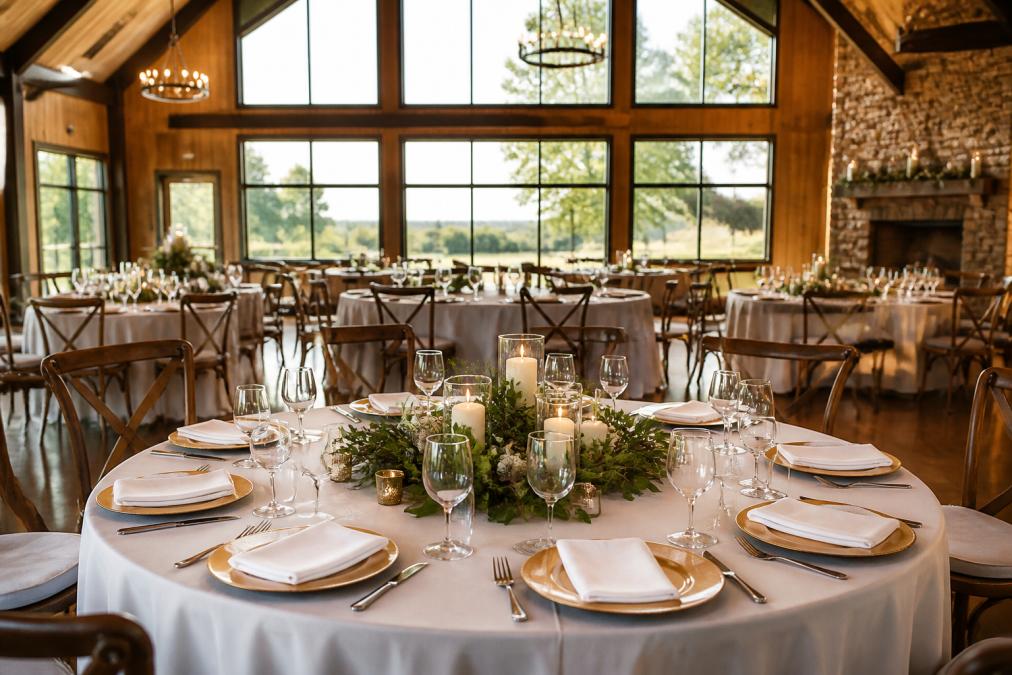
Table of Contents
- What to Look for in Wedding Venues: 2026 Selection Criteria
- Unique Wedding Venues Near Milwaukee 2026: Top Picks
- Questions to Ask Wedding Venue Coordinators Before Booking
- Real Wedding Cost Breakdowns: What to Budget for 2026
- Vendor Flexibility and Weather Contingency Planning
- Venue Accessibility and Inclusivity: What to Check
- Frequently Asked Questions
Last Updated: September 23, 2026
What to Look for in Wedding Venues: 2026 Selection Criteria
The best wedding venue matches your guest count, budget, and vision. The best wedding venue matches your guest count, budget, and vision. Happy couples often ask the same questions before signing.
Capacity and Guest Count Considerations
Guest capacity is the single most common source of venue regret. A space that holds 270 guests for a cocktail-style reception may only seat 180 at round tables with a dance floor.
Venue Amenities and Inclusions
What’s included matters as much as the room itself. Some venues bundle tables, chairs, linens, and a day-of coordinator. Others hand you the keys and a list of preferred vendors.
Ask specifically about:
- Tables, chairs, and linens (included or rented separately?)
- Bridal suite and groom’s room access
- On-site parking and accessible parking
- Catering: in-house, exclusive caterer, or open vendor list?
- Bar service and whether you can bring your own alcohol
- Setup and teardown time built into your rental
Unique Wedding Venues Near Milwaukee 2026: Top Picks
The most memorable wedding venues near Milwaukee 2026 share one trait: they don’t look like every other banquet hall. From industrial-chic breweries to gardens and lakefront vistas, the region offers real character.
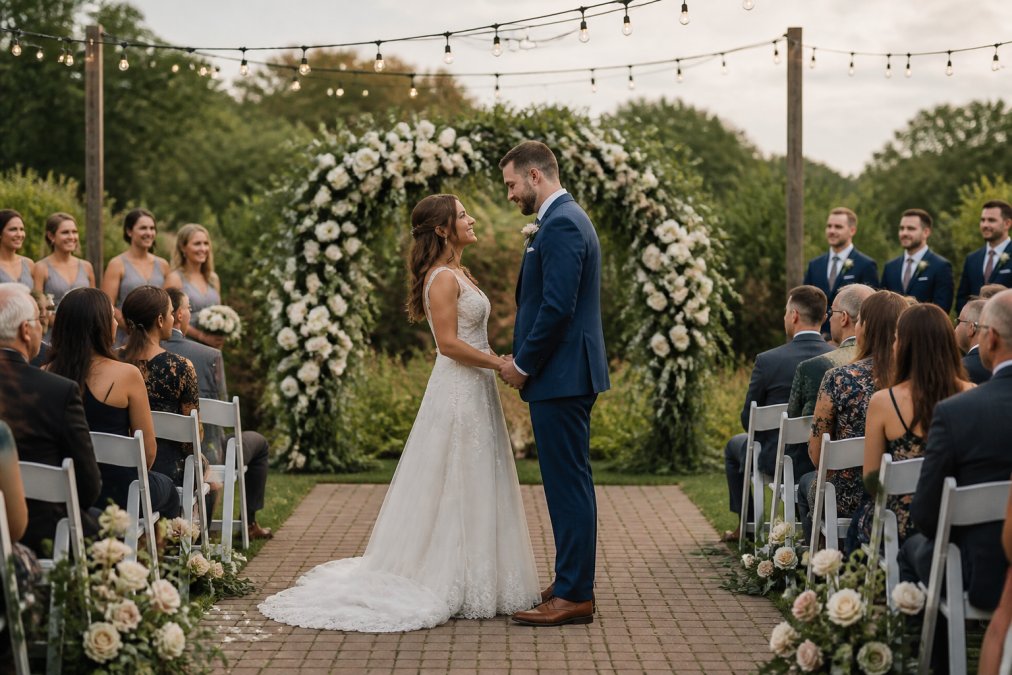
Historic and Industrial Venues
Historic and industrial spaces deliver atmosphere you can’t fake, high ceilings, exposed brick, and vintage charm photograph beautifully.
Named examples worth touring:
- The Pritzlaff (downtown), a converted 19th-century warehouse with exposed Cream City brick, timber columns, and a large open hall. Suits 150-300 seated depending on layout; the raw shell means you bring in nearly everything.
- Turner Hall, a historic German hall with a vaulted ballroom and a separate smaller room, useful when you want ceremony and reception in one building.
- Best Place at the Historic Pabst Brewery, brewery-era architecture, multiple rooms, and a built-in story that out-of-town guests recognize.
Outdoor and Garden Settings
Outdoor garden venues offer natural lighting and scenic backdrops needing almost no decoration. Botanical gardens and nature centers often pair an outdoor ceremony site with an indoor reception hall for weather backup.
Named examples worth touring:
- Boerner Botanical Gardens (Hales Corners), formal gardens for ceremonies plus indoor space for receptions; peak bloom windows book a year or more out.
- Wehr Nature Center (Franklin), prairie and woodland backdrops with a nature-center building for the reception.
- Mitchell Park Domes, a true weather-proof option: the ceremony happens under glass, so rain and heat are non-issues.
Lakefront and Waterfront Locations
Waterfront vistas sell themselves. Lakefront venues offer panoramic views, a sense of occasion, and proximity to downtown for out-of-town guests.
Named examples worth touring:
- Discovery World, a lakefront science and technology center with a glass-walled hall and outdoor terrace; the view does most of the decorating.
- Milwaukee County War Memorial Center, a mid-century lakefront building with a terrace and interior hall, strong for couples who want architecture and water in the same frame.
- South Shore Park / lakefront pavilions, budget-friendly public options with water views; you trade service and climate control for price.
Modern and Contemporary Event Spaces
Named examples worth touring:
- The Ivy House, a converted industrial space with high ceilings and a modern finish, popular for larger guest counts.
- Saint Kate – The Arts Hotel, a downtown hotel with multiple event rooms and guest rooms on site, useful if most of your list is traveling in.
- Aspen Sky (Slinger), a winery, distillery, and event center in one, with indoor and outdoor ceremony options and a full bar program.
For couples weighing a city venue against a drive to Slinger, the difference often comes down to one thing: a space handling the bar, food setup, and ceremony without juggling multiple vendors.
Intimate and Small Wedding Spaces
Not every wedding needs 200 guests. Private dining rooms, small historic chapels, and boutique event spaces handle 20-60 people well at a fraction of ballroom cost.
Look at:
- Private dining rooms at downtown restaurants (often no separate rental fee if you hit a food-and-beverage minimum)
- Small historic chapels and conservatories
- Boutique galleries and studios that rent by the evening
Capacity and Guest Count Considerations
Guest capacity is the single most common source of venue regret. A space that holds 270 guests for a cocktail-style reception may only seat 180 at round tables with a dance floor.
Venue Amenities and Inclusions
What’s included matters as much as the room itself. Some venues bundle tables, chairs, linens, and a day-of coordinator. Others hand you the keys and a list of preferred vendors.
Ask specifically about:
- Tables, chairs, and linens (included or rented separately?)
- Bridal suite and groom’s room access
- On-site parking and accessible parking
- Catering: in-house, exclusive caterer, or open vendor list?
- Bar service and whether you can bring your own alcohol
- Setup and teardown time built into your rental
Questions to Ask Wedding Venue Coordinators Before Booking
The right questions to ask wedding venue coordinators separate smooth planning from stress. Ask before you pay a deposit, not after.
Bring this list to every tour:
- What’s the total venue rental fee, and what does it include?
- Is catering in-house, exclusive, or open to any vendor?
- What’s the cancellation and date-change policy?
- How many hours of setup and teardown are included?
- Is there a day-of coordinator, or do we hire our own?
- What are the noise, curfew, and vendor requirements?
- What’s the backup plan for bad weather?
Real Wedding Cost Breakdowns: What to Budget for 2026
Venue costs rarely come as one number. The rental fee is just the start, and extras add up fast if you don’t plan for them. Here’s how a real budget fills out.
The Line Items That Show Up on Almost Every Invoice
Budget for these categories, and expect the venue-related ones to be the largest single block:
- Venue rental fee (the headline number)
- Catering and bar service (often the biggest line after the venue itself)
- Tables, chairs, linens, and rentals
- Décor and florals
- DJ or live entertainment
- Photography and videography
- Day-of coordination
- Service charges and gratuity
- Taxes and any facility fees
How the Numbers Actually Stack Up
A common pattern: the rental fee is only about a quarter to a third of what you’ll spend on venue, catering, and bar combined. Couples budgeting only the rental fee are often surprised by the all-in figure.
Here’s how to build a realistic estimate without guessing:
- Get the seated capacity and the rental fee in writing. This anchors everything else.
- Ask for the per-person catering and bar rates. Multiply by your guest count, then add service charge (commonly 18-22%) and tax.
- Add rentals. If the venue doesn’t include tables, chairs, and linens, price them separately, this can run several thousand dollars for a 150-guest wedding.
- Add the soft costs. Décor, florals, DJ, photography, and coordination are real line items, not afterthoughts.
- Add a contingency. A 10% buffer absorbs the surprises that always appear.
Where Couples Actually Save Money
- Off-peak and shoulder dates. Late fall, winter, and early spring dates often carry lower minimums than peak summer Saturdays.
- Friday and Sunday weddings. Many venues discount non-Saturday dates by a meaningful margin.
- Brunch or lunch receptions. Daytime events frequently cost less than evening events with the same guest count.
- All-inclusive packages. When a venue bundles tables, chairs, linens, bar, and coordination, the total is often lower than assembling each vendor separately, and it saves weeks of coordination.
- Reducing the guest count. Because catering and bar are priced per person, every guest you cut saves on multiple lines at once.
Questions That Reveal the True Cost
Before you compare two venues on price, ask each one:
- Is the rental fee flat, or does it vary by day of week and season?
- What’s the food-and-beverage minimum, and does the rental fee count toward it?
- Are there facility fees, cake-cutting fees, or corkage fees?
- What’s the overtime rate if your event runs long?
- What’s the deposit and the payment schedule?
Vendor Flexibility and Weather Contingency Planning
Vendor rules can make or break your budget. Some venues require exclusive catering and bar, simplifying coordination but limiting choice. Others allow any licensed vendor, giving freedom but putting scheduling and insurance on you.
Ask these before booking:
- Can we bring our own caterer, or is catering exclusive?
- Are there preferred vendor lists, and are they required or just suggested?
- Does the venue require vendors to carry liability insurance?
- Can we bring our own alcohol, or is bar service exclusive?
U.S. National Weather Service climate data for event planning
Venue Accessibility and Inclusivity: What to Check
Accessibility is one of the most overlooked items in venue selection, and it affects real guests. A charming space that’s hard to enter excludes the people you most want there.
Check for:
- Accessible parking close to the entrance
- Step-free entry and accessible restrooms
- Smooth pathways for wheelchairs and walkers
- Seating arrangements that accommodate mobility needs
- Quiet spaces for guests who need a break
- Clear signage and adequate lighting
|
Venue Type |
Best For |
Watch Out For |
|---|---|---|
|
Historic and industrial |
Character, photos, atmosphere |
Limited capacity, strict guidelines |
|
Outdoor and garden |
Natural lighting, scenic backdrop |
Weather dependence, seasonal limits |
|
Lakefront and waterfront |
Views, central location |
Wind, noise, backup space |
|
Winery and event center |
All-in-one bar, food, and space |
Confirm package inclusions |
Frequently Asked Questions
What are the most unique wedding venue styles available near Milwaukee?
The area offers a wide range of unique styles, including industrial-chic breweries, historic firehouses, botanical gardens, and lakeside nature centers. For a truly distinctive experience, consider a winery or distillery that combines craft beverages with event space. These venues often provide scenic backdrops, indoor-outdoor flow, and a relaxed atmosphere that sets them apart from traditional banquet halls.
How far in advance should I book a wedding venue for 2026?
For 2026 weddings, aim to book 12 to 18 months in advance. Peak season dates from May through October go fastest. If you are set on a specific date or a popular venue, start touring as soon as you have a guest estimate and budget. Off-peak dates in late fall or winter may offer more flexibility and off-peak discounts.
Are there winery or distillery wedding venues near Milwaukee?
Yes, several wineries and distilleries in the region host weddings. These venues often feature scenic vineyard views, exclusive catering options, and house-made beverages. One example is Aspen Sky in Slinger, which accommodates up to 270 guests and offers both indoor and outdoor spaces. Check each venue’s vendor requirements and whether they allow outside alcohol.
What should I look for when touring wedding venues for a 2026 date?
Focus on capacity, layout, and what is included in the venue rental fee. Ask about exclusive catering, bar packages, and whether you can bring your own vendors. Check for accessible parking, bridal suite, and weather contingency plans for outdoor spaces. Also review the event timeline and any restrictions on decor or music.
How do I balance guest capacity with a unique venue atmosphere?
Start with a realistic guest count, then look for venues that fit comfortably within that range. A space that is too large can feel empty, while a tight fit can feel cramped. Many unique venues offer flexible floor plans and indoor-outdoor flow to accommodate different group sizes. Ask about seating arrangements and maximum capacity for both ceremony and reception.
Planning a wedding means juggling capacity, budget, vendor rules, and weather all at once. Aspen Sky takes several of those off your plate by combining a winery, distillery, and event center in one welcoming space, with room for up to 270 guests and both indoor and outdoor settings. Our team handles the bar with house-made wines and spirits, and our family-friendly atmosphere keeps the day relaxed for everyone. Get started with Aspen Sky and reserve your date before peak season fills up.