
Table of Contents
- Start With Budget, Guest Count, and Location
- What to Look for in Wedding Venues: Room Capacity and Floor Plan
- Catering, Bar Packages, and Hidden Costs
- A Wedding Venue Checklist for Your Site Visit
- Questions to Ask Wedding Venues Before You Book
- Wedding Venue Contract Red Flags to Avoid
- Conclusion
- Frequently Asked Questions
Last Updated: September 13, 2026
Start With Budget, Guest Count, and Location
The first thing to look for in wedding venues is a realistic match between your guest count, your budget, and a location your people can actually reach. This guide from Aspen Sky walks through the full evaluation process, from the first site visit to the final contract signature. Couples who lock these three numbers down before touring end up comparing venues on equal footing instead of falling for a space that never fit their plans.
Setting a Realistic Venue Budget
Your venue budget should cover more than the rental fee. A common mistake is treating the rental fee as the total cost, then discovering that service charges, bar packages, and staffing push the final bill well past the original number.
Build your budget around four buckets:
- Rental fee for exclusive use of the space and grounds
- Catering and bar if the venue requires in-house service
- Service charge and tax on food, beverage, and labor
- Extras like linens, lighting, additional hours, and setup fees
What to Look for in Wedding Venues: Room Capacity and Floor Plan
Capacity and floor plan decide whether your reception feels intimate or cramped. A room rated for 200 seated guests may only hold 120 comfortably once you add a dance floor, bar, and buffet lines (NFPA). Always tour with your actual guest count in mind, not the venue’s maximum.
Guest Count and Venue Capacity
Ask every venue for three numbers: seated capacity, standing capacity, and capacity with a dance floor. The third number is the one that matters most for a reception. If your guest list sits within 80% of a venue’s seated capacity, you have room for a band, a bar, and a photo backdrop without crowding tables.
Floor Plan, Layout, and Flow
Walk the floor plan from your guests’ perspective. Can people move from the ceremony site to the cocktail hour without bottlenecking at one doorway? Is the bridal suite close enough for a quick dress change? Where do vendors load in, and does that path cross your guest areas?
|
Space |
What to Check |
Why It Matters |
|---|---|---|
|
Ceremony site |
Seating capacity, backup coverage |
Guest comfort and weather risk |
|
Cocktail area |
Proximity to bar and restrooms |
Prevents crowding between events |
|
Reception hall |
Dance floor clearance, sight lines |
Keeps every guest part of the action |
|
Bridal suite |
Distance from main hall |
Affects timing on the day |
Catering, Bar Packages, and Hidden Costs
Catering and bar usually make up the largest share of your total venue spend, and they hide the most surprises. Understanding what is included before you sign keeps the final invoice close to the estimate.
In-House vs. Outside Catering
In-house catering means one contract, one coordinator, and one team responsible for food, bar, and setup. Outside catering can offer more menu freedom, but it adds vendor coordination, load-in windows, and sometimes a kitchen fee. Ask directly: does the venue allow outside caterers, and what does that cost?
Hidden Costs Checklist
Run this list against every quote you receive:
- Service charge percentage on food and beverage
- Cake cutting or corkage fees
- Overtime rate if your reception runs past curfew
- Security or off-duty officer requirements
- Coat check, valet, or parking attendant fees
- Rental items not included: linens, chargers, specialty lighting
- Setup and teardown labor charges
- Required liability insurance or vendor deposits
A Wedding Venue Checklist for Your Site Visit
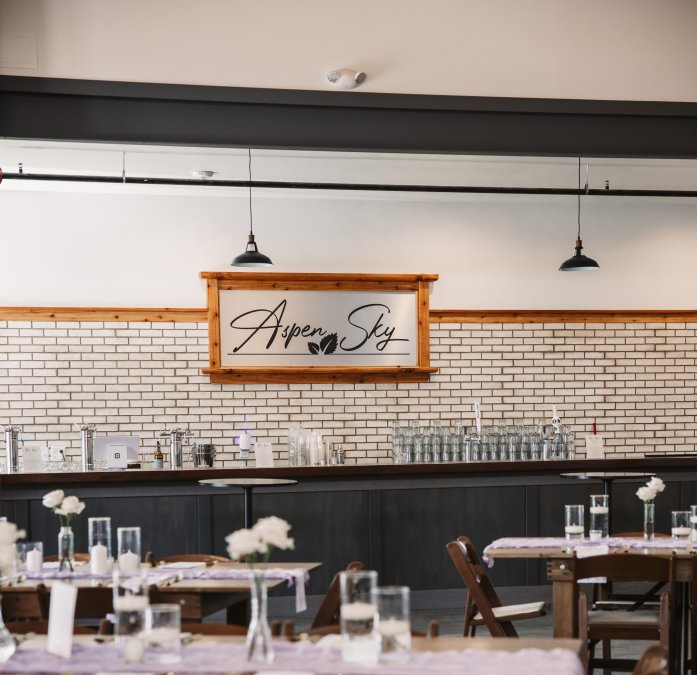
A site visit is where a venue proves or disproves its marketing. Bring a printed checklist, a tape measure, a phone for photos, and a small flashlight. Tour at the same time of day as your event so you can judge natural lighting and noise honestly.
What to Inspect in Person
Walk the space the way your guests will, then inspect the systems behind the scenery. Most practitioners find that the following items surface more post-booking surprises than any other part of the tour:
- Power and load capacity. Ask the venue manager for the amperage available on the reception circuit. A band or DJ rig, uplighting, and a photo booth can trip a shared breaker. Confirm where outlets sit relative to the dance floor and whether extension runs will cross walkways.
- Restrooms. Count the stalls against your guest count. A common rule of thumb is one restroom fixture per 50 guests during peak reception hours. Check for accessible stalls, baby-changing stations, and whether restrooms are shared with other events.
- Decor restrictions. Ask specifically about nails, tape, command strips, open flame, candles, confetti, and hanging installations. Get the answer in writing, because setup crews enforce these rules on the day.
- Ceiling height and rigging. If you want draping, chandeliers, or aerial florals, confirm the ceiling height and whether the venue allows rigging points or requires a licensed installer.
- Kitchen and vendor access. Locate the load-in door, the path to the kitchen or prep area, and the distance from parking to the back of house. A long, stair-heavy load-in adds labor hours that caterers bill back to you.
- Climate control. Ask how the HVAC handles a full room in your event month. A space that feels comfortable empty can turn stifling with 150 guests and a dance floor.
Accessibility, Parking, and Acoustics
Parking availability and ADA accessibility should be verified on site, not assumed (Accessible Parking Spaces). Count the spaces, check the path from the lot to the entrance for curb cuts and firm surfaces, and confirm accessible restrooms and a step-free route to the ceremony and reception areas. If guests will arrive by rideshare, ask where drop-off is permitted.
Then listen. Acoustics cut both ways: a room with hard surfaces and high ceilings can turn a DJ set into a roar, while a soft, carpeted space can swallow toasts. Clap once in the empty room and listen for the tail. Ask the venue whether it has a sound limit, whether it uses a sound meter, and at what hour amplified music must end.
Noise ordinances are the most overlooked legal factor in venue selection. Many municipalities set decibel limits and quiet hours that apply to outdoor amplified sound, and residential neighbors can trigger enforcement. Ask the venue to state its curfew and sound policy in the contract, not just in conversation.
Questions to Ask Wedding Venues Before You Book
The right questions to ask wedding venues fall into five groups: capacity, cost, timing, logistics, and flexibility. Get written answers to all of them before you pay a booking deposit.
Learn More About Events at Aspen Sky →
- What is the total capacity with a dance floor and bar?
- Which items are included: tables, chairs, linens, and staff?
- What are the load-in time and curfew for vendors and music?
- How much is the booking deposit, and is it refundable?
- What is the cancellation policy and the rescheduling policy?
- Can we add guests after signing, and what does that cost?
- Is there a preferred vendor list, and can we use vendors outside it?
- What happens if we need to move the date?
Wedding Venue Contract Red Flags to Avoid
Watch for vague language on fees, unilateral change clauses, and non-refundable deposits with no rescheduling option. A contract that lets the venue change your date, room, or pricing without your consent is a red flag worth negotiating or walking away from.
Other warning signs include:
- No written breakdown of the service charge
- A cancellation policy that keeps the full deposit regardless of notice
- Missing details on setup, teardown, and overtime
- No named contact or wedding coordinator for the day
- Requirements for liability insurance with no stated limits
Building a Real Inclement Weather Plan
An inclement weather plan should be written into your contract, not promised verbally. A workable plan answers five questions:
- What triggers the move indoors? Common triggers are a forecast probability threshold, active precipitation at a set time before the ceremony, or a wind-speed limit. Vague language like “at the venue’s discretion” leaves the call entirely in their hands.
- Who makes the call, and by when? Ask for a named decision-maker and a deadline, typically a few hours before the ceremony. You want time to redirect vendors and notify guests.
- Does the backup space hold your full guest count? Confirm the indoor capacity with the same dance-floor and bar deductions you used for the main room. A backup that seats 80 percent of your list is not a backup.
- What does the move cost? Some venues charge a room-flip fee, a staffing surcharge, or a rental fee for the indoor space. Get the number in writing.
- What happens to decor and vendors? Confirm whether the florist, band, and photographer can relocate on the same timeline, and who coordinates the flip.
For outdoor ceremonies, also ask about heat and cold contingencies: shade, fans, heaters, and water stations. A rain plan that ignores a 95-degree afternoon is only half a plan.
Conclusion
Choosing a venue comes down to matching capacity, budget, and logistics before emotion takes over. Aspen Sky combines a winery, distillery, and event center in one location, accommodates up to 270 guests across indoor and outdoor spaces, and offers a full bar with house-made wines and spirits. Get started with Aspen Sky and host a celebration your guests will remember.
Frequently Asked Questions
How much of your total wedding budget should go toward the wedding venue?
Most wedding planners recommend spending 25% of your total budget on the venue rental and site fees. If your overall wedding budget is $30,000, that means allocating roughly $7,500 for the venue itself. Keep in mind that catering, bar packages, and service charges are often billed separately, so factor those into your food and beverage budget rather than the venue line item.
What hidden costs should you look for in wedding venue contracts?
Common hidden costs include service charges of 18-22%, state sales tax, overtime fees if your event runs past the contracted curfew, cake cutting fees, corkage fees, and charges for additional setup time. Ask for a full itemized estimate before signing. Also confirm whether gratuity is included in the service charge or billed separately, and whether there are fees for using outside vendors or bringing in your own decor.
How far in advance should you book a wedding venue?
For peak wedding season (May through October), most venues book 12-18 months in advance. Popular dates like Saturday evenings in September and October can fill up even earlier. Start touring venues at least a year before your target date. Off-season dates (November through March) often have more availability and may offer lower rental fees.
What questions should you ask wedding venues during a tour?
Ask about maximum guest capacity, exclusive use of the space, load-in and load-out times, curfew, parking availability, ADA accessibility, and whether the venue has a preferred vendor list or allows outside vendors. Also ask about backup plans for inclement weather, acoustics and noise ordinances, power supply for bands or DJs, and what happens if you need to change your date or guest count.
What are the biggest wedding venue contract red flags?
Watch for non-refundable deposits with no cancellation exceptions, vague language about what is included in the rental fee, automatic overtime charges without prior notification, and clauses that allow the venue to change your date or space without penalty. Also flag any contract that does not clearly state the cancellation policy, force majeure terms, or liability insurance requirements. Have an attorney review anything you do not understand before signing.
Is $5,000 a realistic budget for a wedding venue?
It depends on your guest count and location. A $5,000 venue rental budget is realistic for a smaller wedding (under 100 guests) at a non-traditional space or an off-peak date. For a 150-200 guest wedding at a full-service venue with in-house catering and bar, expect the venue rental alone to start higher. Request itemized quotes from several venues to compare what is actually included.
What should be on a wedding venue checklist for a site visit?
A solid wedding venue checklist includes: room capacity versus your guest count, floor plan and layout, lighting and power supply, restroom facilities, ADA accessibility, parking availability, setup and teardown times, decor restrictions, catering and bar options, rental fee and service charge, cancellation policy, liability insurance requirements, and inclement weather backup plans. Bring the checklist to every tour and take photos so you can compare venues accurately.